Soil, Cement, Concert, Bitumen, Aggregate, Testing Instruments.
Monday - Saturday 9:00AM - 8:00PM
Call us Now: 9920229893 / 9867313893


Laboratory Testing Apparatus
Laboratory Testing Apparatus
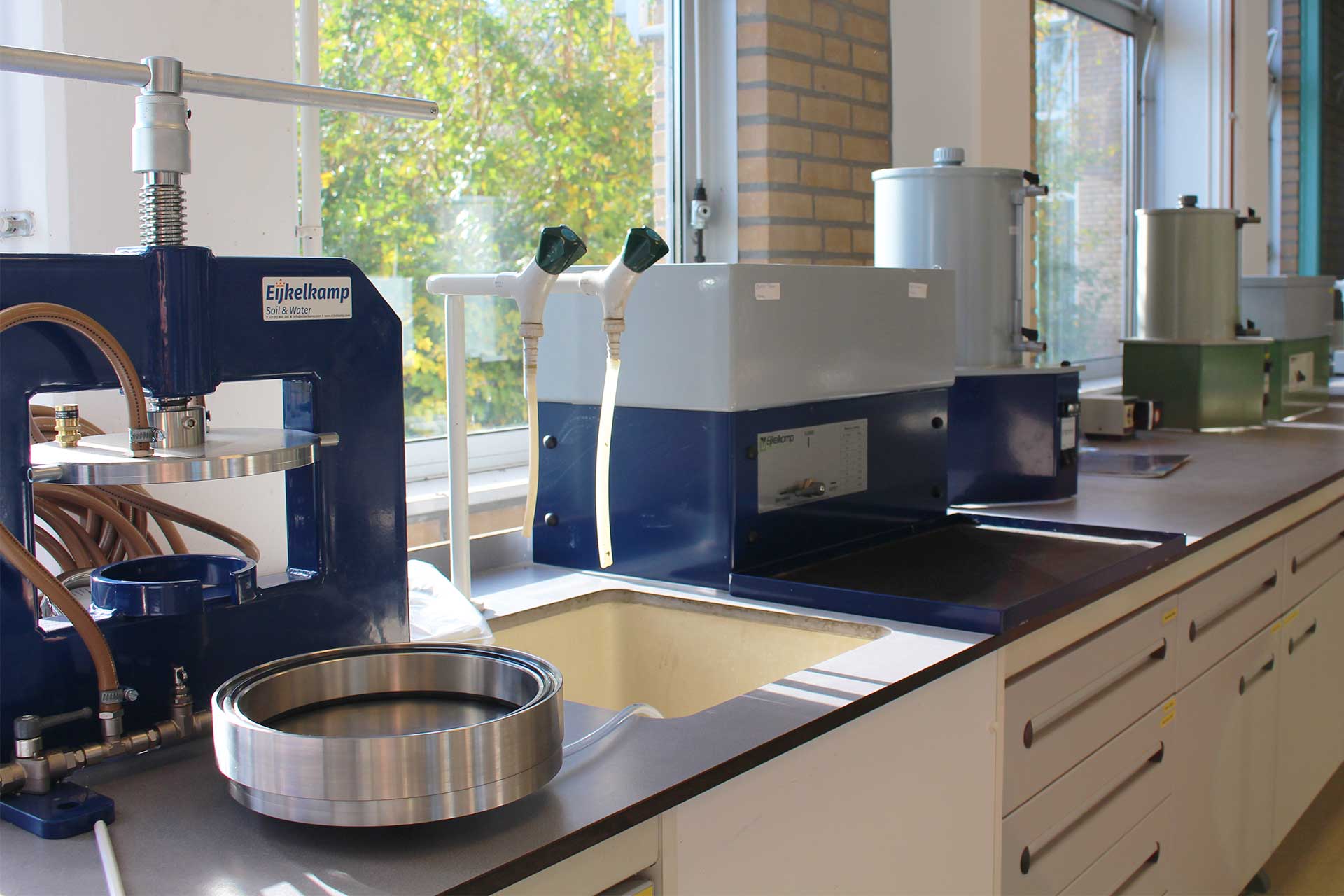
Laboratory Testing Apparatus
Laboratory testing is a vital component of the construction process, providing essential data that informs design, material selection, and overall project execution. The use of specialized laboratory testing apparatus allows engineers and construction professionals to assess the properties of materials and soil, ensuring that structures are safe, durable, and compliant with industry standards.
Key Laboratory Testing Apparatus Used in Construction
Universal Testing Machine (UTM)
- Description: A versatile machine used to test the tensile, compressive, and flexural strength of materials.
- Function: Provides critical data on material properties, helping engineers determine the suitability of materials for specific applications.
Concrete Compression Testing Machine
- Description: A specialized machine designed to test the compressive strength of concrete samples.
- Function: Ensures that concrete meets the required strength specifications, which is crucial for structural integrity.
Soil Consolidation Apparatus
- Description: Equipment used to assess the consolidation properties of soil samples.
- Function: Measures how soil compresses under load, providing insights into settlement behavior over time.
Sieve Shaker
- Description: A device used to separate soil or aggregate samples into different particle size fractions.
- Function: Helps determine the gradation of materials, which is important for understanding drainage and compaction characteristics.
Atterberg Limits Apparatus
- Description: Equipment used to determine the plastic and liquid limits of soil.
- Function: Assists in classifying soil types and predicting their behavior under varying moisture conditions.
Moisture Content Determination Apparatus
- Description: Tools such as oven-drying methods or moisture meters used to measure the moisture content in soil and materials.
- Function: Essential for ensuring proper moisture levels in concrete and soil, which affects strength and stability.
California Bearing Ratio (CBR) Test Apparatus
- Description: Equipment used to evaluate the strength of soil subgrades.
- Function: Provides data on the load-bearing capacity of soil, which is crucial for pavement design and road construction.
Non-Destructive Testing (NDT) Equipment
- Description: Tools such as ultrasonic testers and rebound hammers used to assess the integrity of concrete without damaging it.
- Function: Helps identify potential defects or weaknesses in structures, ensuring safety and longevity.
Importance of Laboratory Testing Apparatus in Construction
Quality Assurance: Laboratory testing ensures that materials and soil meet the required specifications and standards, reducing the risk of failures.
Design Optimization: Accurate data from testing allows engineers to optimize designs based on material properties, enhancing overall project efficiency.
Cost Efficiency: Early identification of material-related issues can prevent costly rework and delays, contributing to more efficient project management.
Regulatory Compliance: Many construction projects must adhere to local and national regulations regarding material quality and safety. Laboratory testing provides the necessary data for compliance.
Risk Mitigation: By assessing material properties and soil conditions, potential risks such as structural failure or settlement can be identified and addressed proactively.
Conclusion
Laboratory testing apparatus plays a crucial role in the construction industry, providing the vital information needed to ensure quality, safety, and compliance. By utilizing the right tools for material and soil analysis, construction professionals can enhance the integrity of their projects, optimize designs, and contribute to safer and more sustainable development. As technology advances, the capabilities and accuracy of laboratory testing apparatus will continue to improve, further ensuring the success of construction initiatives.