Soil, Cement, Concert, Bitumen, Aggregate, Testing Instruments.
Monday - Saturday 9:00AM - 8:00PM
Call us Now: 9920229893 / 9867313893


Aggregate Testing Equipment
Aggregate Testing Equipment
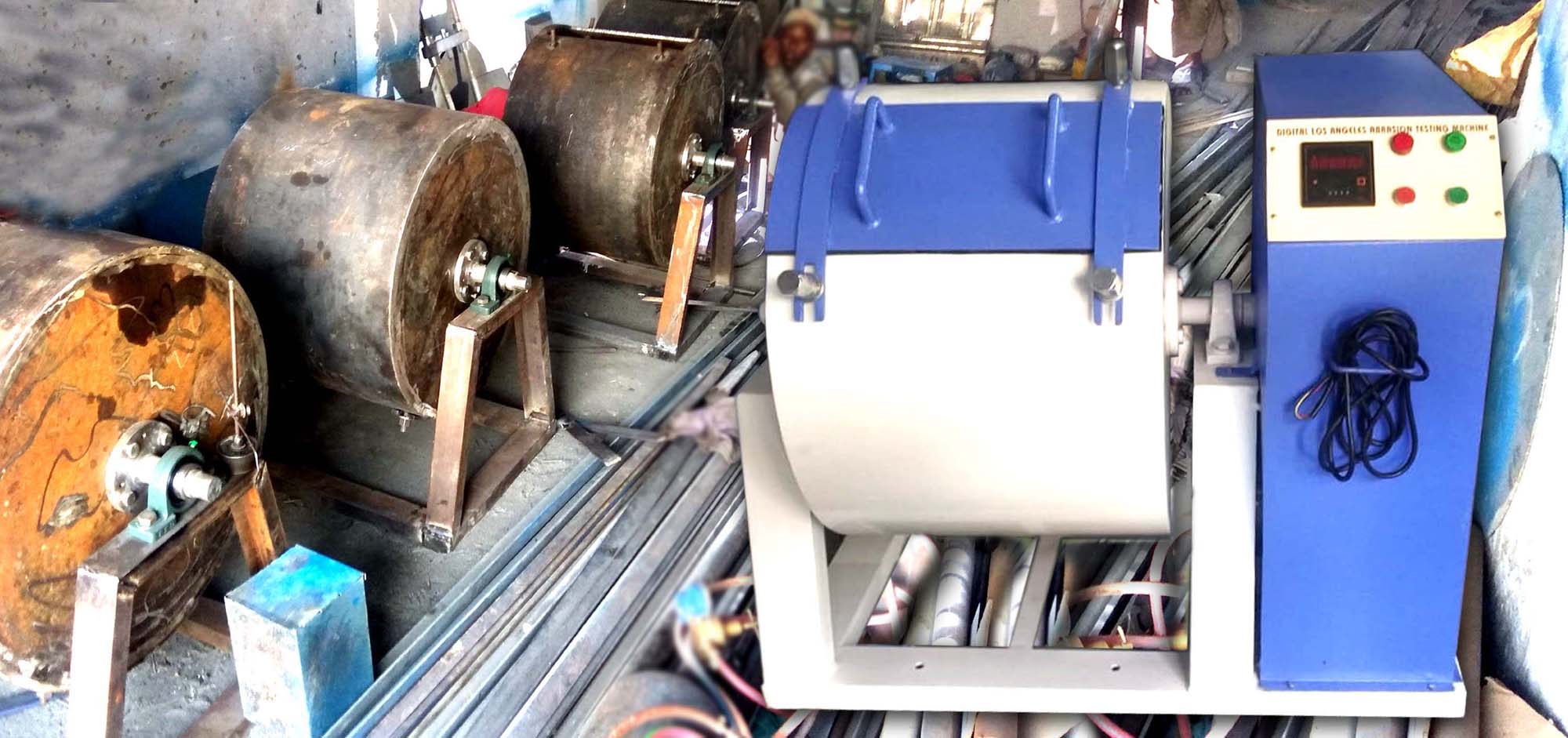
Aggregate Testing Equipment
Aggregate testing equipment is essential in the construction industry, as aggregates form the primary component of concrete and asphalt. The quality of aggregates directly influences the strength, durability, and performance of construction materials. This write-up explores the types of aggregate testing equipment, their importance, and the testing methods involved.
Types of Aggregate Testing Equipment
Sieve Shakers
- Used for determining the particle size distribution of aggregates.
- Ensures compliance with grading specifications.
Aggregate Impact Tester
- Measures the toughness and resistance of aggregates to impact.
- Important for assessing the durability of materials under load.
Los Angeles Abrasion Machine
- Tests the hardness and abrasion resistance of aggregates.
- Provides insights into the wear and tear aggregates will experience in service.
Specific Gravity and Water Absorption Apparatus
- Determines the specific gravity and water absorption of aggregates.
- Essential for mix design calculations and understanding moisture content.
Aggregate Crushing Value Apparatus
- Measures the resistance of aggregates to crushing under a gradually applied compressive load.
- Helps assess the strength and suitability of aggregates for construction.
Flakiness and Elongation Index Test Equipment
- Evaluates the shape of aggregates by measuring their flakiness and elongation.
- Ensures aggregates meet shape requirements for optimal performance.
Importance of Aggregate Testing
- Quality Assurance: Regular testing ensures that aggregates meet industry standards and specifications, leading to high-quality construction materials.
- Structural Integrity: Properly tested aggregates contribute to the overall strength and durability of concrete and asphalt mixes, reducing the risk of structural failures.
- Cost Efficiency: Identifying unsuitable aggregates early in the process can save costs associated with repairs and replacements.
- Regulatory Compliance: Ensures adherence to local and international construction standards, which is critical for legal and safety reasons.
Conclusion
Aggregate testing equipment is vital for ensuring the quality and performance of construction materials. By employing various testing methods, construction professionals can make informed decisions, leading to safer, more durable, and cost-effective structures. Investing in reliable aggregate testing equipment is essential for maintaining high standards in the construction industry.