Soil, Cement, Concert, Bitumen, Aggregate, Testing Instruments.
Monday - Saturday 9:00AM - 8:00PM
Call us Now: 9920229893 / 9867313893


Cement & Concrete Testing Equipment
Cement & Concrete Testing Equipment
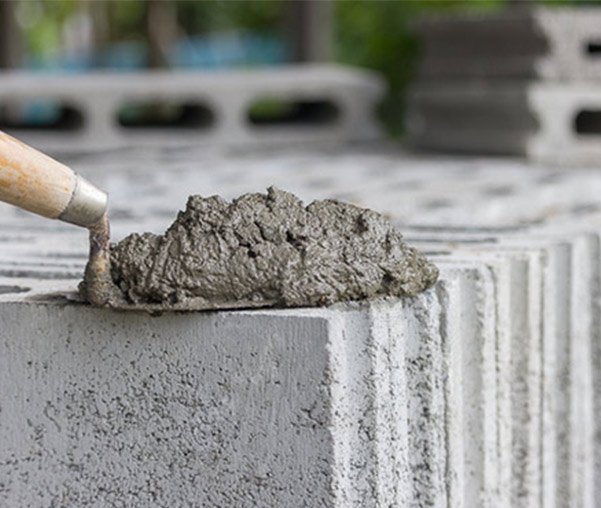
Cement & Concrete Testing Equipment
Cement and concrete testing equipment plays a crucial role in ensuring the quality and durability of construction materials. These tools are designed to evaluate the physical and chemical properties of cement and concrete, providing essential data for engineers and construction professionals.
Types of Testing Equipment
Cement Testing Equipment
- Blaine Air Permeability Apparatus: Measures the fineness of cement.
- Vicats Apparatus: Determines the setting time of cement.
- Le Chatelier Apparatus: Tests for the expansion of cement due to hydration.
- Compression Testing Machine: Assesses the compressive strength of cement samples.
Concrete Testing Equipment
- Slump Test Apparatus: Evaluates the workability of fresh concrete.
- Concrete Compression Testing Machine: Measures the compressive strength of concrete.
- Rebound Hammer: Tests the surface hardness of concrete.
- Ultrasonic Pulse Velocity Tester: Assesses the quality and uniformity of concrete.
Importance of Testing
- Quality Control: Regular testing ensures that materials meet industry standards and specifications.
- Safety: Properly tested concrete reduces the risk of structural failures.
- Compliance: Adhering to regulations and standards is essential for legal and safety reasons.
- Performance Prediction: Testing helps predict the longevity and performance of concrete structures.
Conclusion
Investing in reliable cement and concrete testing equipment is vital for ensuring the integrity and safety of construction projects. By utilizing advanced testing methods, professionals can make informed decisions, leading to higher quality construction and reduced risks.